
Local supply and fit service for traditional fence panels
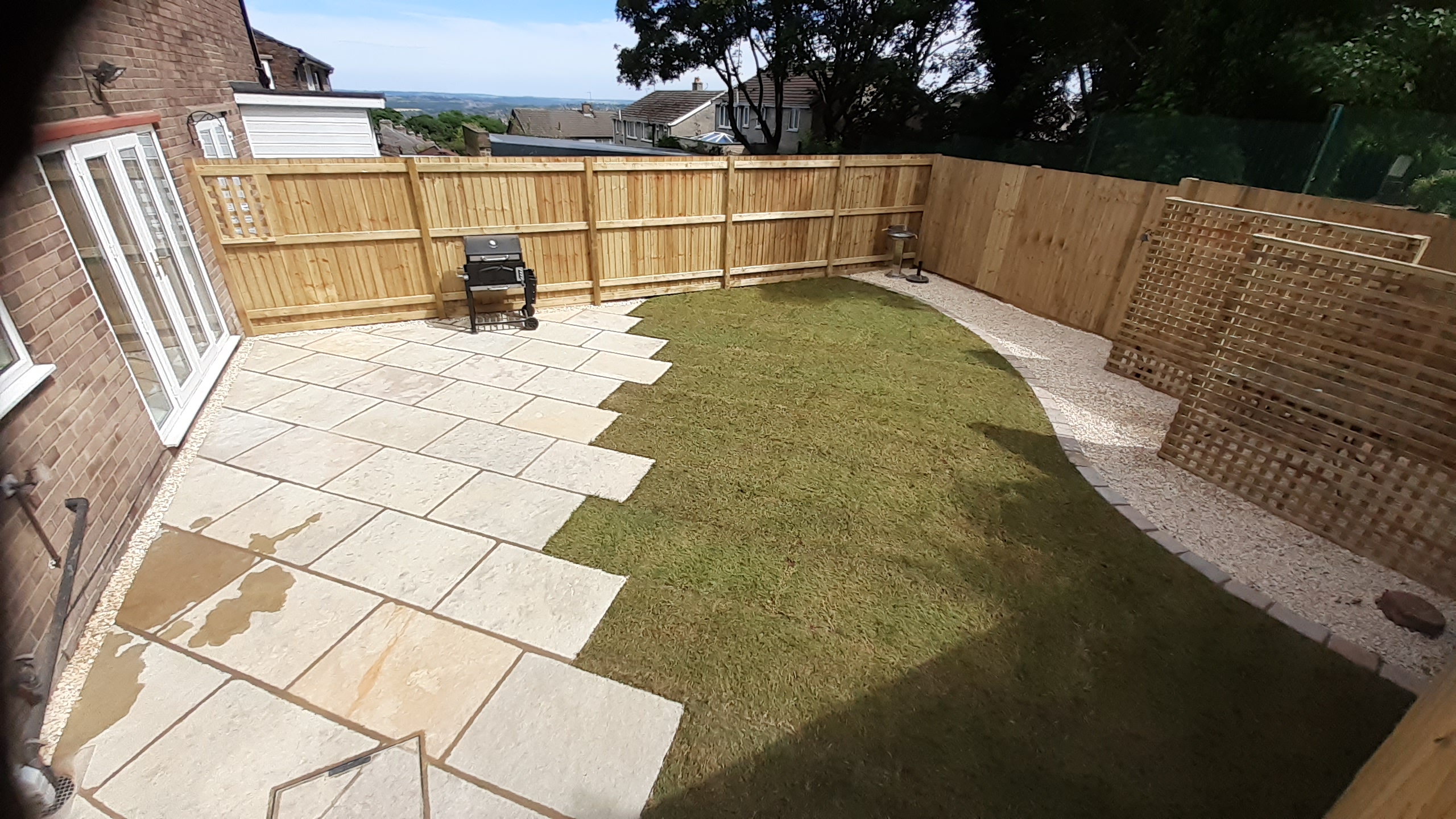
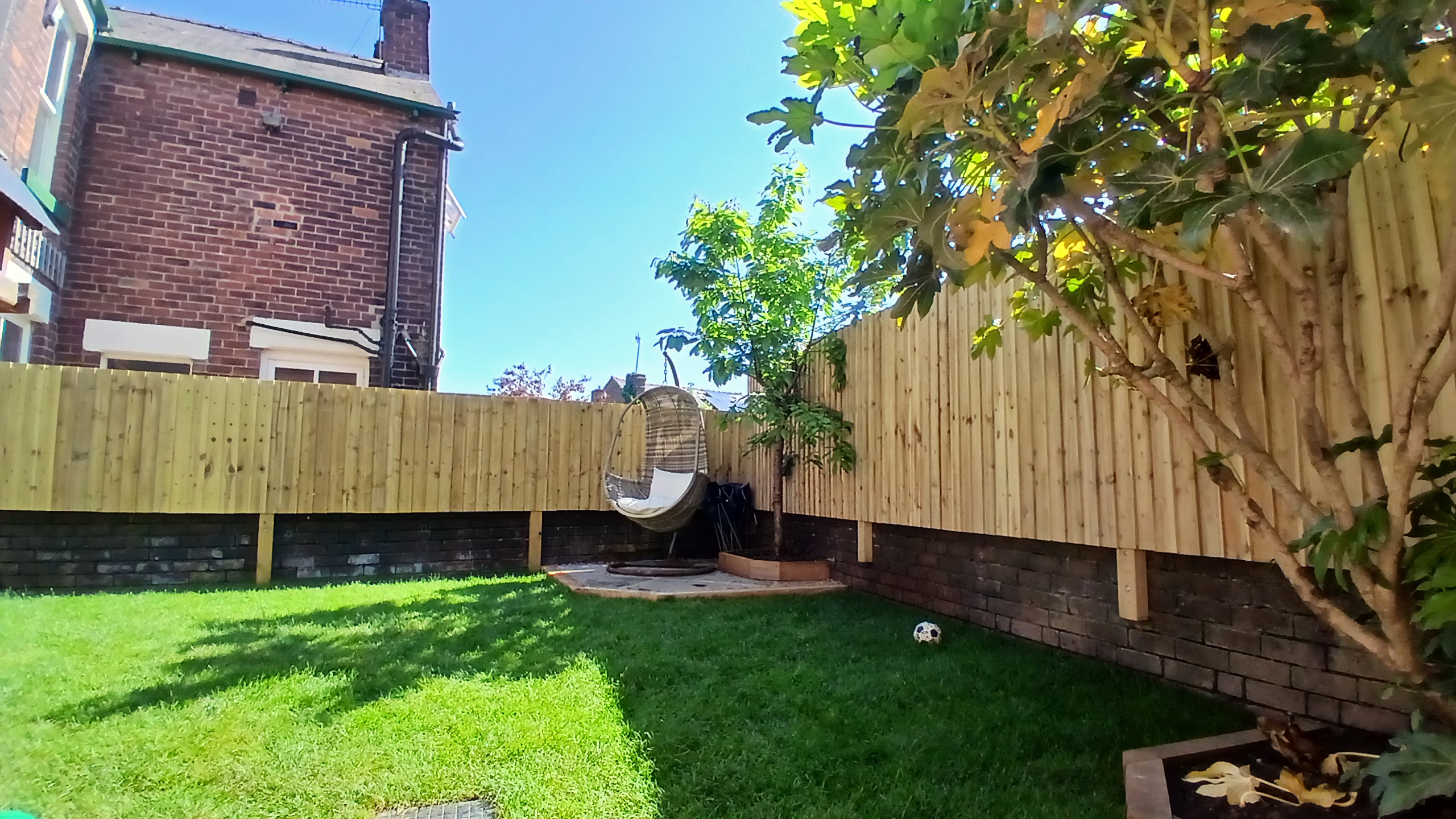
We only use the best, most durable panels from trusted local fencing suppliers in our traditional fencing, supported by your choice of UC4 treated timber, heavy duty concrete or stylish metal posts ranging in height in 300mm increments from 0.9m to 2.1m.
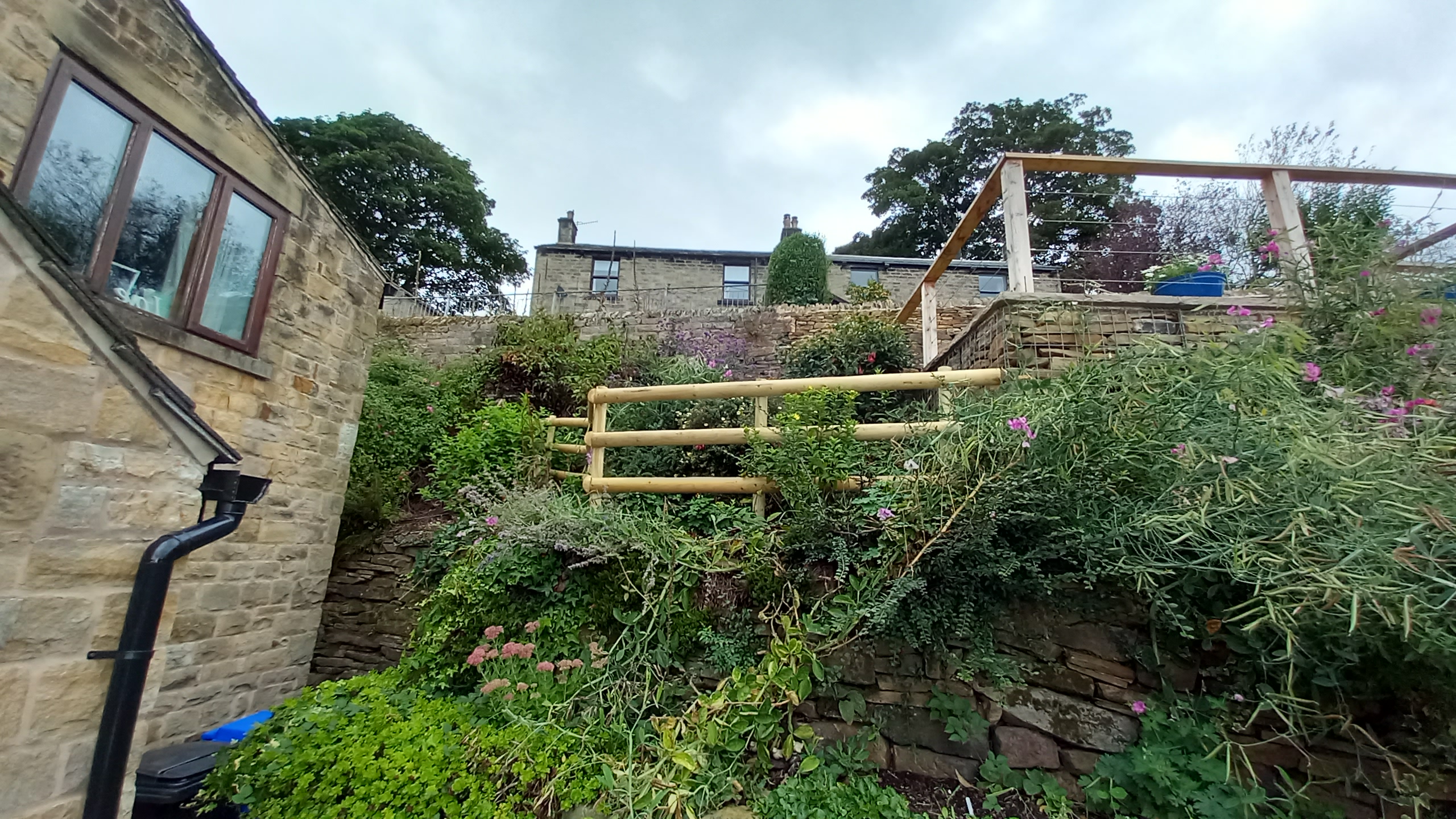
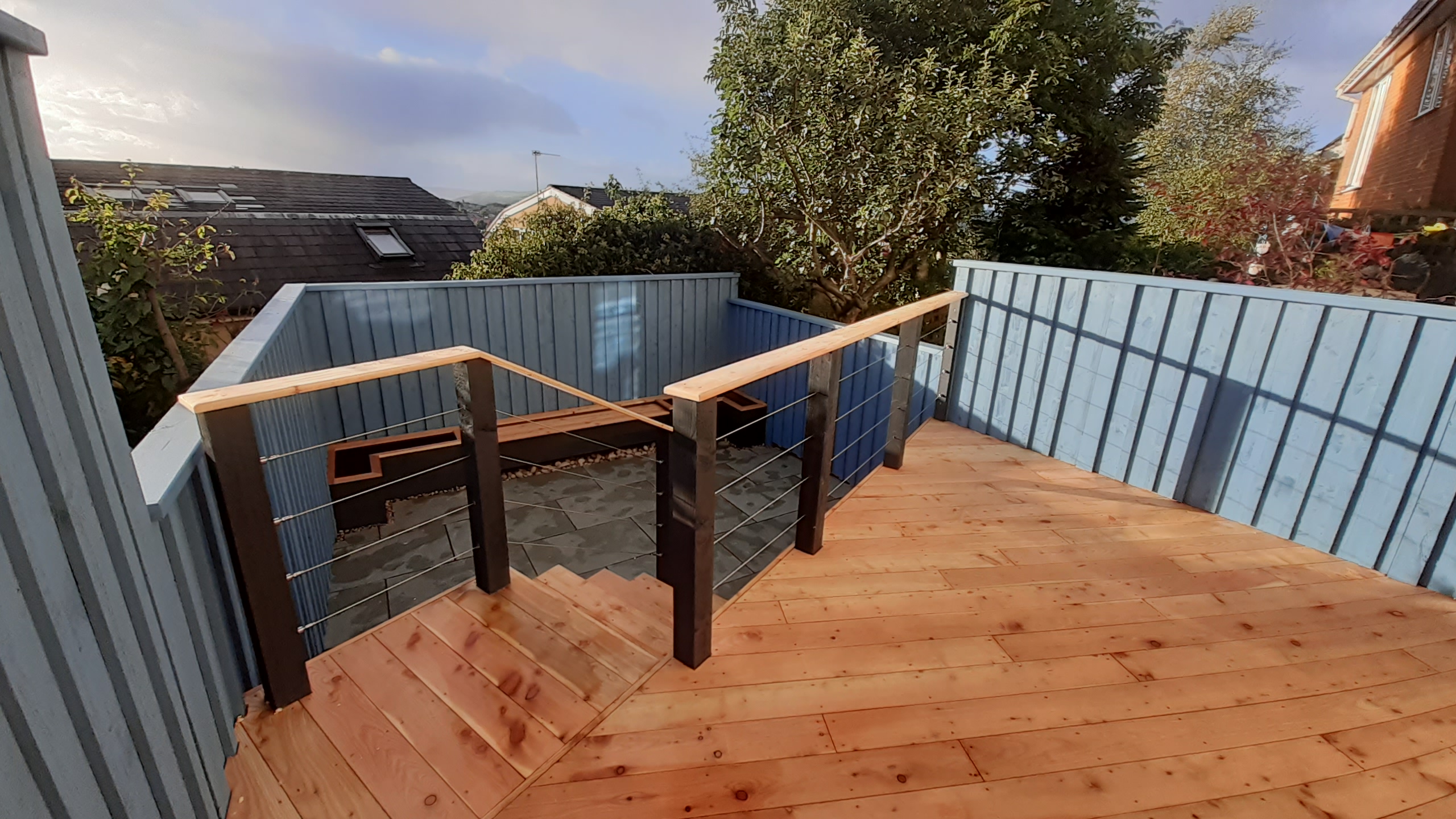
We also specialise in bespoke traditional fencing, built to suit your space, with a wider selection of styles and materials and to any height you require. Constructing a fence this way is particularly suitable for steeply sloping ground where a panel fence would not work.






FAQs
What Are The Most Popular Types Of Traditional Fencing?
Most traditional garden fencing falls into three categories;
Closed Board (feather-edge) Fencing: the most common type of traditional garden fencing, constructed from vertical overlapping timbers fixed to horizontal rails. Can be bought as panels to be used with concrete, timber or metal posts and gravel boards or can be constructed on site to follow the lay of the land. This style of fence is particularly suited to a sloping garden
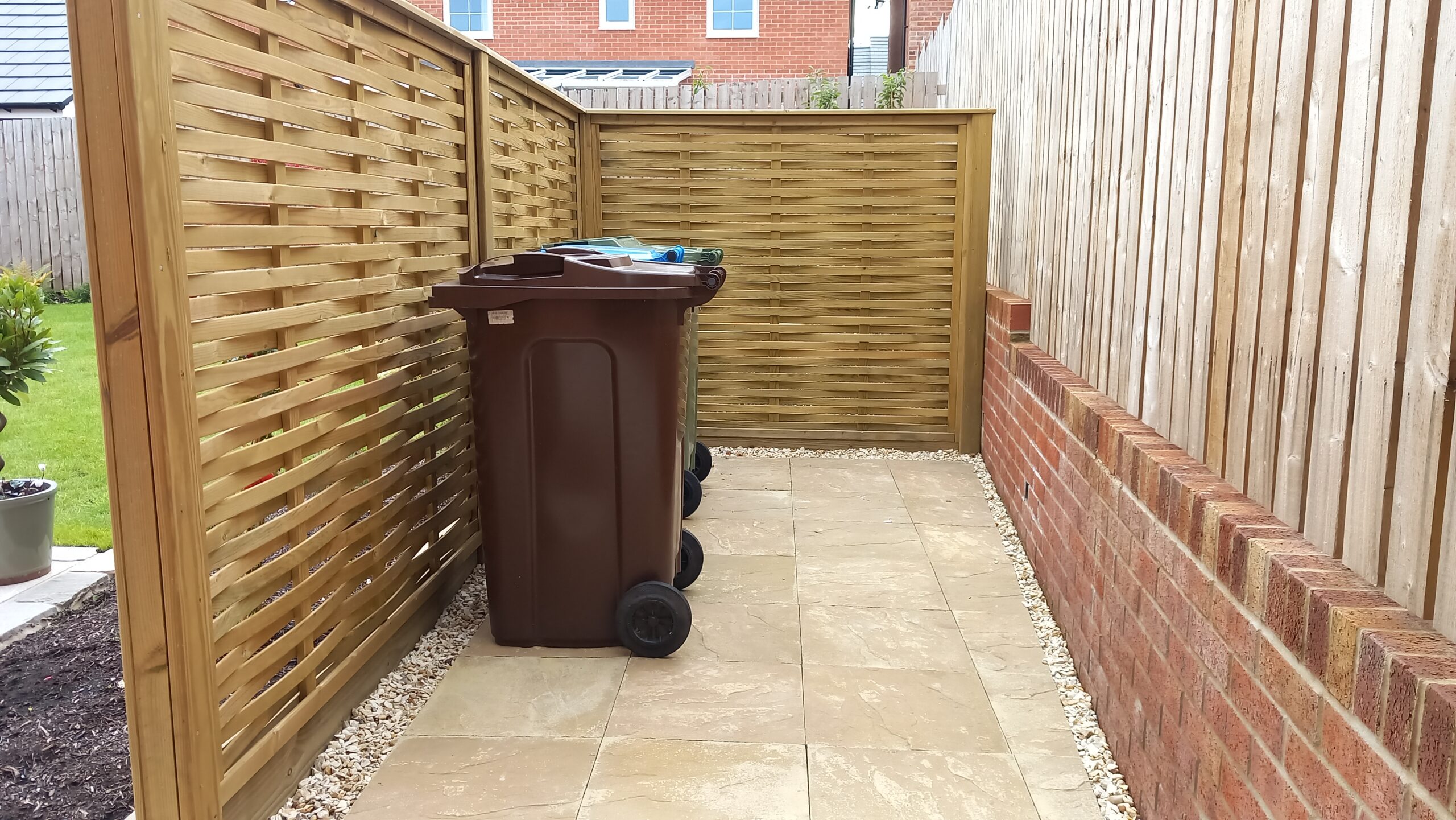
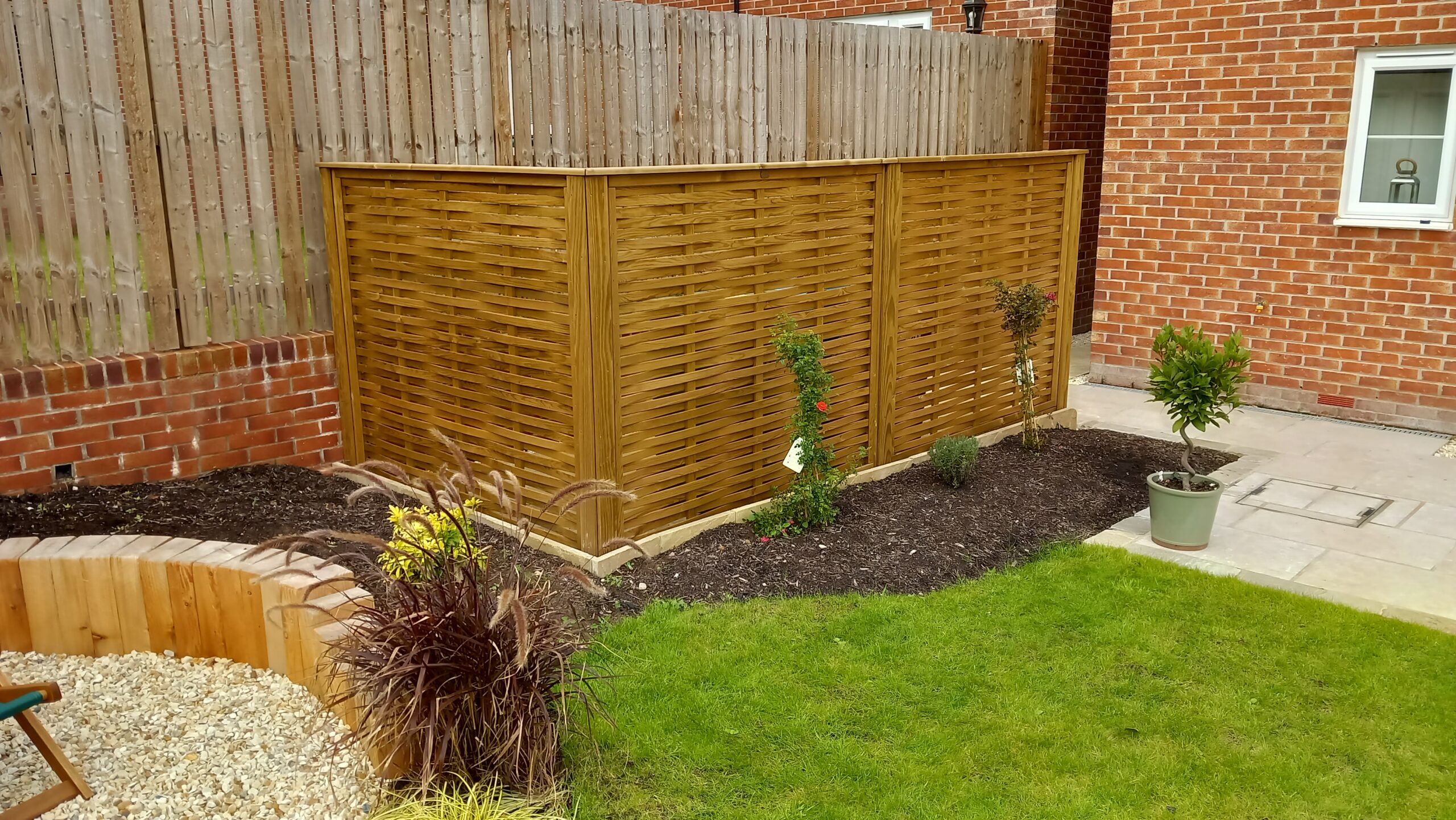
Overlap (waney-edge) Fencing: normally bought as panels and used with concrete, timber or metal posts, these are a more budget conscious option constructed from overlapping horizontal timber planks, often with a natural bark edge, set within a lightweight timber frame.
Vertical Paling Fence: constructed from vertical timber boards (palings), usually 100-150mm wide, fixed to horizontal timber rails with gaps between. These can be single sided (Picket Fence) or double sided (Hit & Miss Fencing) for greater privacy. This style of fence is particularly suitable for an exposed site as the gaps between the palings allow the wind to pass through. This style of fence can be bought as panels to be used with concrete, timber or metal posts and gravel boards, or constructed on site to suit the garden.
Should I Choose Concrete or Timber Fence Posts
Ultimately this comes down to personal preference as there are pros and cons to both. Concrete will always be the most durable option as it is not going to rot. However it does not have the natural flex of timber and if continually exposed to high winds it will break before it bends. The timber fence panels also sit loose or with fewer fixings between the concrete posts. This makes them easy to replace when the time comes but it also means they can rattle in windy conditions which can also lead to the post failing.
The lifespan of a timber post will depend upon the choice of timber and the level of treatment it has received. A timber fencepost should be treated to UC4 standard, for permanent ground contact, and should expect to see a lifespan of 15+ years, with high-end options such as Jacksons timber posts guaranteed for a lot longer. Timber fence posts are more versatile in terms of the style of fence which can be constructed with them and are better suited to ‘post and rail’ style fences, and many people prefer the more natural look of timber in their garden rather than concrete.
How Often Should I Treat My Traditional Fencing?
You should normally wait a couple of weeks following installation to treat your fence to allow the treatment chemicals already in the timber to dry out.
Most timber treating paints, stains and solvents require at least two coats to act properly. Although the manufacturers claim 3-5 years between applications, if your fence or gate is particularly exposed to the sun or the rain we would recommend re-treating your timber every 2-3 years.
How Will My Traditional Fence Be Constructed?
- We will remove your old fence.
- We will install your end posts and corner posts first to define the run of the fence.
- The posts holes will be dug to a depth ⅓ the height of the fence, eg, for a 6ft fence the posts will be concreted 2ft into the ground.
- A shovel-full of pea gravel is put at the bottom of the post holes to aid drainage.
- The posts will be secured in place using fast setting postcrete which we slope away from the post at ground level so that water does not gather at the base of the post.
- Once the end and corner posts are erected we string between them to ensure a straight run and that the tops are level.
- If you are having a panel fence we will install each post and panel at a time to ensure the best fit, with a gravel board secured at ground level between each post and the panel fixed to the posts above the gravel board.
- If you are having your fence built from scratch we will install all the posts first, then securely screw the horizontal rails to the posts followed by nailing the vertical palings or feather-edge timbers to the rails, making sure we follow the top string to keep the top of the fence level.
- We will tidy the area we have been working in and responsibly dispose of your old fence and any waste materials.
Do You Install Traditional Gates?
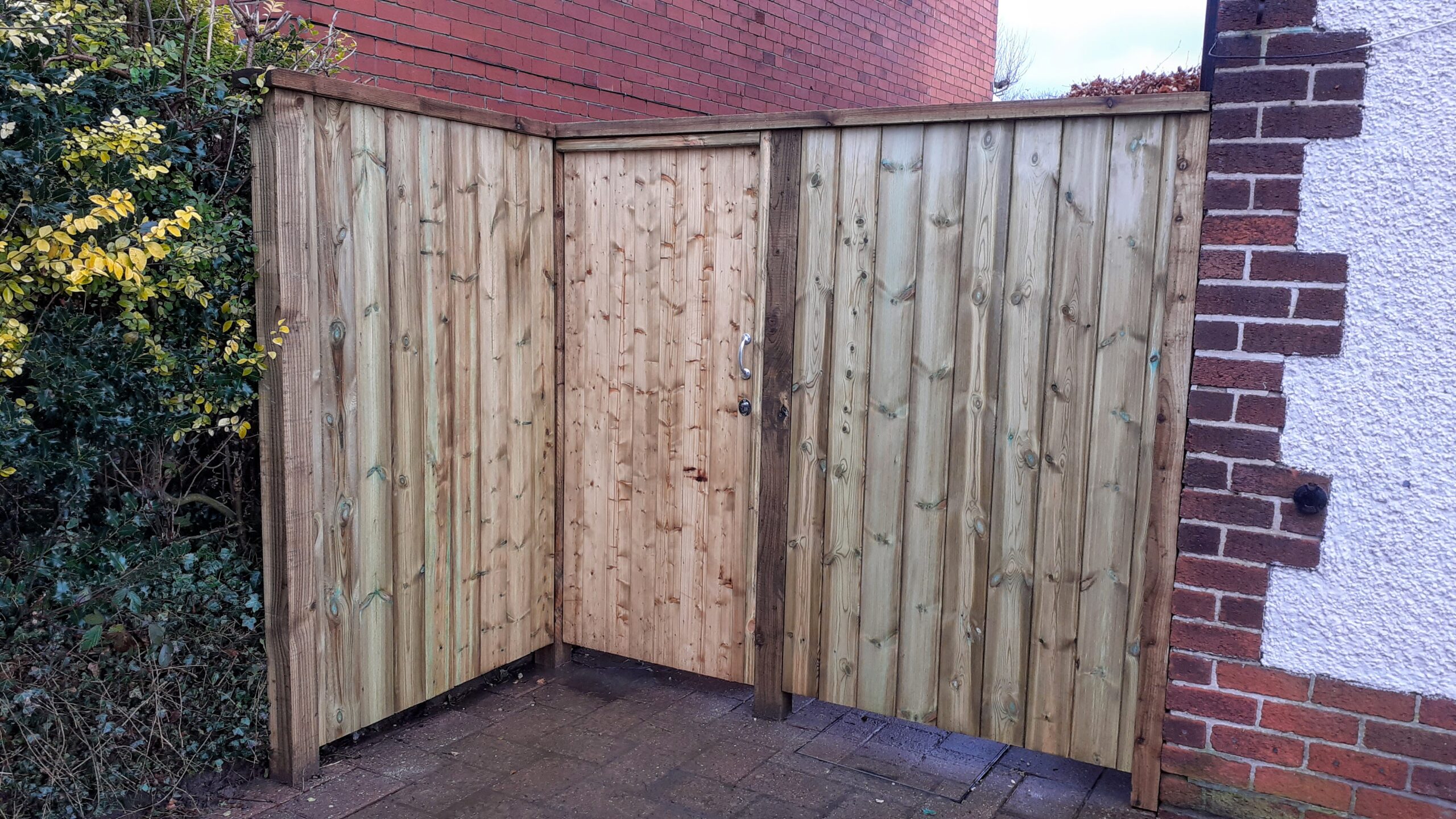
Yes, we supply and fit timber, metal and composite gates in styles to suit any fence and garden, from simple Z-framed gates to mortice and tenon construction timber gates to metal framed gates with timber inserts.
My Garden Is On A Hill. Which Type Of Fence Should I Have?
If your garden is gently sloping then most types of pre-made panel fencing will work, so long as an appropriate gravel board (concrete, metal or timber treated to an ‘in ground contact’ standard) is used, in order that it can be dug into the ground slightly at the high end.
If your garden is on a steep slope then we would suggest a vertical closed board or paling fence, constructed on site to follow the gradient of the land.
Let’s Talk about your new Traditional Fencing!
Whether you have a clear vision for your fence or are just starting to explore possibilities, Mr. Perimeter is here to help. Contact us today for your free fencing quote and take the first step towards transforming your garden into a space to cherish.